Boarding House Management: Complete Guide for Landlords
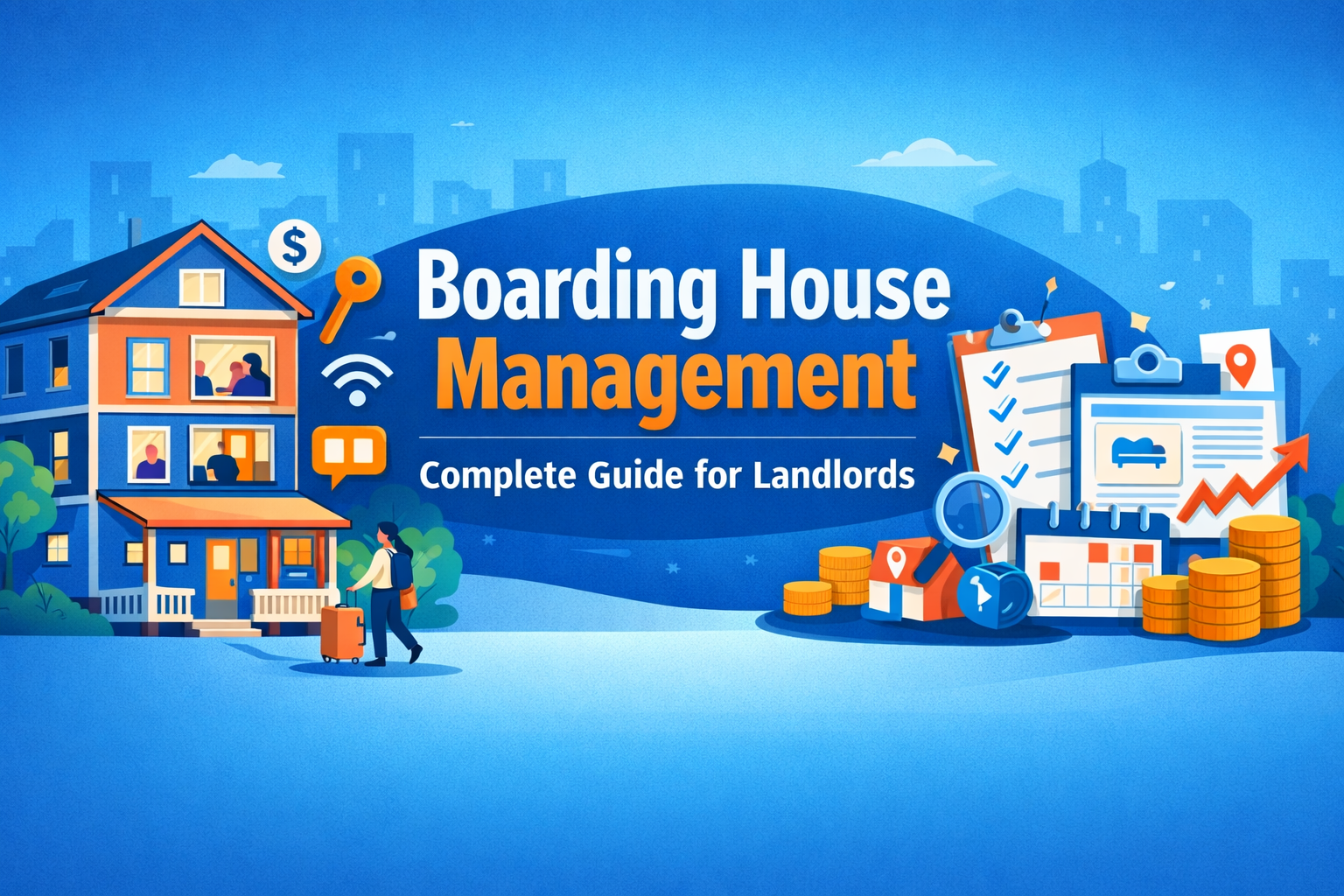
Boarding House Management: Complete Guide for Landlords
Managing a boarding house can be one of the most profitable forms of rental property ownership — but it’s also one of the most operationally demanding.
Unlike single-family rentals or standard apartment units, boarding houses (also known as rooming houses) involve multiple tenants under one roof, shared spaces, frequent tenant turnover, and a constant need for structure and oversight. Without the right systems in place, what starts as a high-yield investment can quickly turn into daily chaos.
This guide breaks down how to manage a boarding house effectively, the unique challenges landlords face, and why traditional property management tools often fall short. We’ll also explore how modern boarding house management software like Sublop is purpose-built to simplify multi-tenant operations.
What Is Boarding House Management?
Boarding house management refers to the day-to-day operation of a property where tenants rent individual rooms rather than entire units. Tenants typically share kitchens, bathrooms, utilities, and common areas, while paying rent separately.
Effective boarding house management includes:
- Managing room-by-room occupancy
- Tracking individual rent payments
- Handling frequent tenant move-ins and move-outs
- Enforcing house rules
- Allocating shared utilities fairly
- Coordinating maintenance in shared spaces
Because boarding houses operate very differently from apartments, they require specialized processes and tools to remain profitable and compliant.
Unique Challenges of Boarding House Management
1. High Tenant Turnover
Boarding houses naturally experience higher turnover than traditional rentals. Tenants may stay for months instead of years, which means:
- Frequent lease creation and termination
- Constant room availability changes
- Increased administrative workload
Without a system designed for fast tenant cycling, landlords often rely on spreadsheets, notebooks, or messaging apps — all of which increase the risk of errors.
2. Shared Spaces and Utilities Allocation
Unlike self-contained apartments, boarding houses share:
- Electricity
- Water
- Internet
- Cleaning responsibilities
- Kitchens and bathrooms
This creates common disputes:
- “Why is my bill higher this month?”
- “Someone is using more electricity.”
- “Who’s responsible for cleaning?”
Clear tracking and transparent cost allocation are essential to avoid conflict.
3. Room-by-Room Occupancy Tracking
In a boarding house, each room is its own revenue unit.
Landlords must track:
- Which rooms are occupied
- Who is assigned to each room
- Rent amount per room
- Lease start and end dates
- Vacancies and expected move-outs
Traditional property management systems are built around units, not rooms, which creates major friction for boarding house owners.
4. Enforcing House Rules
With many unrelated tenants sharing space, house rules are non-negotiable.
Common boarding house rules include:
- Quiet hours
- Guest policies
- Cleaning schedules
- Shared appliance usage
- Payment deadlines
The challenge isn’t setting rules — it’s enforcing them consistently without personal conflict.
How to Manage a Boarding House Effectively
1. Standardize Your Operations
The most successful boarding house landlords treat their property like a system, not a side hustle.
Standardize:
- Lease agreements per room
- Move-in and move-out checklists
- Rent due dates
- Late fee policies
- Maintenance reporting
Consistency reduces confusion and protects you legally.
2. Track Everything Per Room (Not Per Property)
Every room should have:
- Its own rent amount
- Its own tenant record
- Its own payment history
- Its own occupancy status
This is where many landlords struggle, especially when using tools built for apartments or single-unit rentals.
3. Be Transparent With Shared Costs
To reduce disputes:
- Clearly explain how utilities are split
- Use fixed contributions where possible
- Share breakdowns when bills increase
Transparency builds trust and minimizes friction among tenants.
4. Prepare for Frequent Tenant Changes
High turnover isn’t a problem — being unprepared for it is.
Smart boarding house management includes:
- Pre-defined lease templates
- Quick tenant onboarding
- Immediate room status updates
- Automated balance calculations
Manual systems break down quickly at scale.
Why Traditional Property Management Software Doesn’t Work for Boarding Houses
Most property management platforms are built for:
- Single-family homes
- Apartments with long-term leases
- Unit-based rental models
They typically assume:
- One tenant per unit
- One rent payment per unit
- Minimal turnover
- No shared utilities logic
For boarding houses, this leads to:
- Awkward workarounds
- Duplicate “units” for rooms
- Manual reconciliation
- Poor visibility into occupancy
- Higher risk of rent leakage
In short, boarding houses are an edge case in most property management systems — and edge cases are where landlords lose time and money.
The Rise of Rooming House Management Software
As boarding houses, co-living spaces, and student housing continue to grow, landlords are increasingly looking for rooming house management software designed specifically for shared living environments.
The right software should allow you to:
- Manage rooms individually
- Track multiple tenants under one property
- Handle frequent lease changes
- See real-time occupancy
- Monitor balances per tenant
- Maintain a single source of truth
This is where Sublop stands apart.
How Sublop Is Designed for Boarding Houses
Sublop isn’t a repurposed apartment tool — it’s designed from the ground up for multi-unit, multi-tenant buildings.
Built Around Rooms, Not Just Units
With Sublop, you manage:
- Properties → Rooms → Tenants Not forced “fake units” or clunky workarounds.
Each room has:
- Its own tenant(s)
- Its own rent
- Its own lease lifecycle
- Its own payment history
Clear Occupancy Visibility
At a glance, you can see:
- Which rooms are occupied
- Which are vacant
- Which tenants are overdue
- Upcoming lease expirations
This makes boarding house management predictable instead of reactive.
Simplified Rent Tracking
Instead of chasing payments manually, Sublop centralizes:
- Rent due dates
- Outstanding balances
- Payment history per tenant
This is especially powerful in high-turnover environments where accuracy matters.
Designed for Scale Without Complexity
Whether you manage:
- One boarding house
- Multiple properties
- Dozens of rooms
Sublop keeps operations simple, organized, and landlord-friendly — without enterprise pricing or unnecessary features.
Best Software for Boarding House Management: What to Look For
When evaluating the best software for boarding house management, look for:
- ✅ Room-level tracking
- ✅ Support for multiple tenants per property
- ✅ High-turnover lease management
- ✅ Simple, intuitive UI
- ✅ Clear financial visibility
- ✅ Built for landlords, not corporations
Sublop was created specifically to meet these needs — especially for small to mid-scale landlords who want clarity, not complexity.
Boarding House Landlord Tips for Long-Term Success
- Treat your boarding house like a system, not a side project
- Invest early in the right tools
- Communicate rules clearly and consistently
- Track everything per room
- Reduce manual work wherever possible
The more structured your operation, the more profitable — and less stressful — it becomes.
Built for Boarding Houses, Not Just Apartments
Boarding houses are a unique rental model — and they deserve tools designed specifically for them.
Sublop helps landlords manage rooms, tenants, and payments with clarity and confidence, without forcing apartment-style workflows onto shared living spaces.
If you manage a boarding house or rooming property, Sublop is built for you — not just apartments.